Year: 2019

  • Learning to Stand

    Learning to Stand

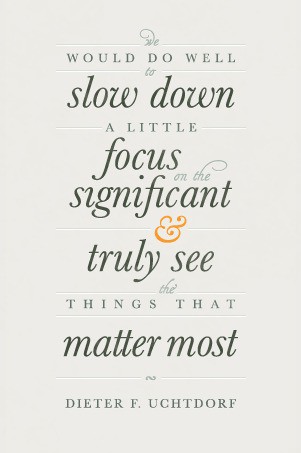
    A young flamingo has to learn how to stand on one leg.

    And like the flamingo, our students need to learn executive functioning skills for school success. We take for granted that they should know how:

    to study,

    to stay organized,

    to plan their time efficiently,

    to find a learning buddy,

    to pick out a good book to read,

    to ask for help when needed,

    to respect each other.

    If a student is not finding success in the classroom, let’s stop blaming them and instead help them develop the skills they may still need.

  • Reading Our Way to an Understanding of Racial Justice

    A colleague of mine, Andrew Arevalo, posted on Twitter that he had started reading White Fragility: Why It’s So Hard for White People to Talk About Racism by Robin DiAngelo.

    A Twitter conversation began in which people shared other books that would also be great reads.

    Here’s the books that were shared:

    • For White Folks Who Teach in the Hood, and the Rest of Y’all Too by Christopher Emdin
    • Culturally Responsive Teaching and the Brain by Zaretta Hammond
    • Between the World and Me by Ta-Nehisi Coates
    • The Soul of America: The Battle for Our Better Angels by Jon Meacham
    • We Want to Do More Than Survive: Abolitionist Teaching and the Pursuit of Educational Freedom by Bettina L. Love
    • I’m Still Here: Black Dignity in a World Made for Whiteness by Austin Channing Brown
    • Was the Cat in the Hat Black?: The Hidden Racism of Children’s Literature, and the Need for Diverse Books by Philip Nel
    • A People’s History of the United States by Howard Zinn
    • We Want to Do More Than Survive: Abolitionist Teaching and the Pursuit of Educational Freedom by Bettina L. Love
    • Biased: Uncovering the Hidden Prejudice That Shapes What We See, Think, and Do by Jennifer L. Eberhardt, PhD
    • White Rage: The Unspoken Truth of Our Racial Divide
      By Carol Anderson

    Anything else you’d add to this reading list? Any of these books impact your beliefs or actions on matters of representation, diversity, and inclusion?

    And if you haven’t yet read White Fragility, or you read it and want to discuss it with other educators, sign up for EquityEDU’s book study that starts in August.

    Resources shared after the post published:

    Not Light, But Fire: How to Lead Meaningful Race Conversations in the Classroom by Matthew R. Kay

  • Don’t Buy Me Flowers

    Don’t Buy Me Flowers

    My boyfriend and I have very different communication styles, especially when it comes to sharing our feelings. He’s just not the kind of guy who will bring me flowers, or leave me notes or proclaim his love for the world to hear.

    So when we decided to pull weeds at about 7pm last night, the last thing I expected was this:

    Him: “Hey Google, play ‘Tell Laura I Love Her.’”

    Me: 😍

    …And This Has to Do with Education How?

    So why tell you this story when this blog is about education?

    Because I know that, if relationship skills were to be assessed in school, my boyfriend probably wouldn’t get top scores. In fact, he may even be labeled as “at risk” or some other label equally obnoxious.

    We have this narrow view in education of what success is, and how we measure it, and honestly, our measures seem to lack correlation to what success means in life. Not sure what I mean by that? Check out The Valedictorians Project.

    Or read about Basil’s experiences in her piece, “Dear School, Eff Your F.”

    Your education factory assembles each student in the same order, first this piece then the next. Units are assessed as they move down the line; the standards are high with little room for deviation. Those who fail inspection are stalled in production, the ones who pass are given certificates and sent out to market.

    “Dear School, Eff Your ‘F’” by Anastasia Basil

    I’m hopeful that we’ll one day get to the place where people aren’t measured against some arbitrary “norm” but instead are celebrated for their own skills and talents. Because hey, he may not buy me flowers, but my boyfriend brings me joy, and that’s a true measure of success.

    P.S. If you don’t know the song, it’s a 1960 (somewhat tragic) love song by Ray Peterson.

  • Excel at Everything! Do it RIGHT NOW!

    Excel at Everything! Do it RIGHT NOW!

    Last week, I asked a teacher I admire if she wanted to share some of her passions with my blog readers. Her answer made me sad. She said she didn’t feel like she had done anything worth sharing this year – new grade level, new school, etc. had all left her feeling like she was less than best.

    I wasn’t sure how best to respond. I mean, she’s amazing. Why doesn’t she see that? Then, a principal forwarded me an eloquent article about the virtues of being average in school. And this passage struck a nerve:

    School is the only place in the world where you’re expected to excel at everything, and all at the same time. In real life, you’ll excel at what you do best and let others excel at what they do best. 

    Let’s Hear It For the Average Child by Margaret Renkl

    How fortunate that many of our students, once graduated, will become part of this “real life” in which they can feel valued for that in which they excel, and feel like they don’t have to excel in everything else.
    (I could start a side rant about how students should feel that way every single day, but that’s a different post for a different day…)

    But what happens to the teachers who live the majority of their life, from age four or five to retirement, devoid of this “real life” experience?

    What happens to people who feel the pressure every single day to excel at everything?

    How can teachers feel valued for what they are doing?

    How can site and district leaders support teachers, not only in their professional growth, but also for the skills and passion they possess and share with students already?

    How can we build an inclusive culture of camaraderie and joy (and LOVE!) so that teachers aren’t burned out with the constant demand to learn more, do more, excel more?

    Because the truth of the situation is that the teacher I asked to blog IS amazing, and she excels at inspiring students to learn and question and grow every day. But if her measurement of worthiness is this unreasonable expectation of excellence in everything, then the system surely has failed her as much as it has failed the ‘average’ student.

  • Slow Down

    Slow Down

    Three school site primary teacher teams have been spending the past two months digging into agency and personalization. What is it? Why is it important? And what do I need to do to provide it for students?

    Each group was tasked with presenting an overview of what they had learned, using the Zoom Panel guidelines from Making Learning Visible as a template. The basic elements of the presentation included:

    • Overarching question
    • Context to set the stage
    • Zoom In – artifacts that document the learning journey
    • Zoom Out – findings and implications for further discovery

    Each group approached the concepts of agency and personalization differently, and yet, their overall learnings all centered on a theme.

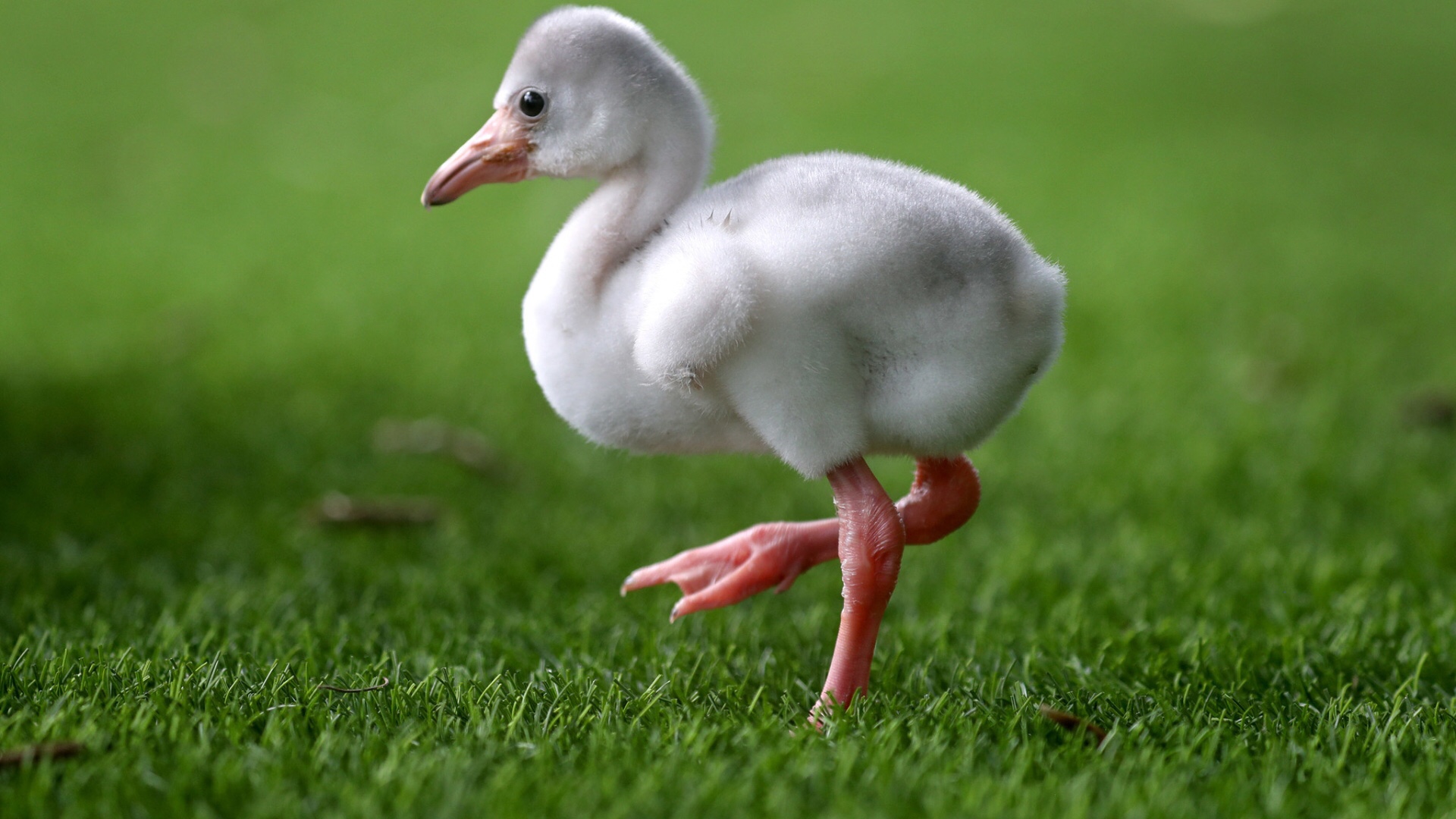
    Slow down.

    No matter what the learning target was, each team shared a need to slow down and make sure that students understand the WHY behind the activities. The WHY being the learning target behind the activity.

    Cult of Speed

    Carl Honoré says that society is caught up in the “Cult of Speed” and this can certainly be seen in education. High stakes accountability has resulted in a sort of checking off of standards as the new finish line. We talk career and college readiness, but do we mean it?

    When accountability becomes the focus, the WHY gets lost in the shuffle. Seth Godin, in his blog post “Accountability vs Responsibility,” sums it up perfectly.

    Accountability is done to you. It’s done by the industrial system, by those that want to create blame.
    Responsibility is done by you. It’s voluntary. You can take as much of it as you want.

    Seth Godin, “Accountability vs Responsibility”

    Accountability to Responsibility

    When we switch from accountability to responsibility, students are able to exhibit agency. They learn the WHY, and this then provides the foundation for the WHAT and the HOW.

    • Why is it important that I learn this skill/content?
    • Why is this activity important to my learning journey?
    • Why is my choice in flexible seating important to the task I am working on at this moment?

    Each of these questions is important. And each requires a deliberate slowing down of the content madness so that students are able to understand, connect, and take responsibility for their own unique learning experience.

    “The great benefit of slowing down is reclaiming the time and tranquility to make meaningful connections–with people, with culture, with work, with nature, with our own bodies and minds” 

    ― Carl Honoré, In Praise of Slowness: Challenging the Cult of Speed

    Intention

    When the WHY is owned by both the student and the teacher, then the WHAT and the HOW have INTENTION. When the WHAT and the HOW have intention, great learning happens.

  • Students Are Changing the World NOW

    Students Are Changing the World NOW

    Last night, my district received the Innovate Award for its District Design 2022 initiative. This initiative is focused on providing an extraordinary school experience for all students. Using the Design Thinking mindset, curiosity is promoted as students seek out real world problems and formulate innovative solutions. Students connect with contemporary and historical issues, and with industry experts in their local community and around the globe to develop empathy and a greater understanding of the world.

     Students develop a sense of purpose when they have opportunities to engage in relevant and meaningful learning experiences. By creating a learning culture of innovation, curiosity, imagination, and creativity, students are empowered to ask questions, explore ideas, and take action.

    These students are changing the world today. So much of schooling is focused on preparing students for this big, scary, unknown future. But the fact of the matter is, we need to be equipping students for the world that surrounds them today so that they can make an even greater impact on the future.

    It’s been an honor to work alongside teachers who are willing to embrace ambiguity and join me on a journey of learning transformation. And it’s an honor for Classroom of the Future Foundation to recognize their dedication. I can’t wait to see what comes next!