
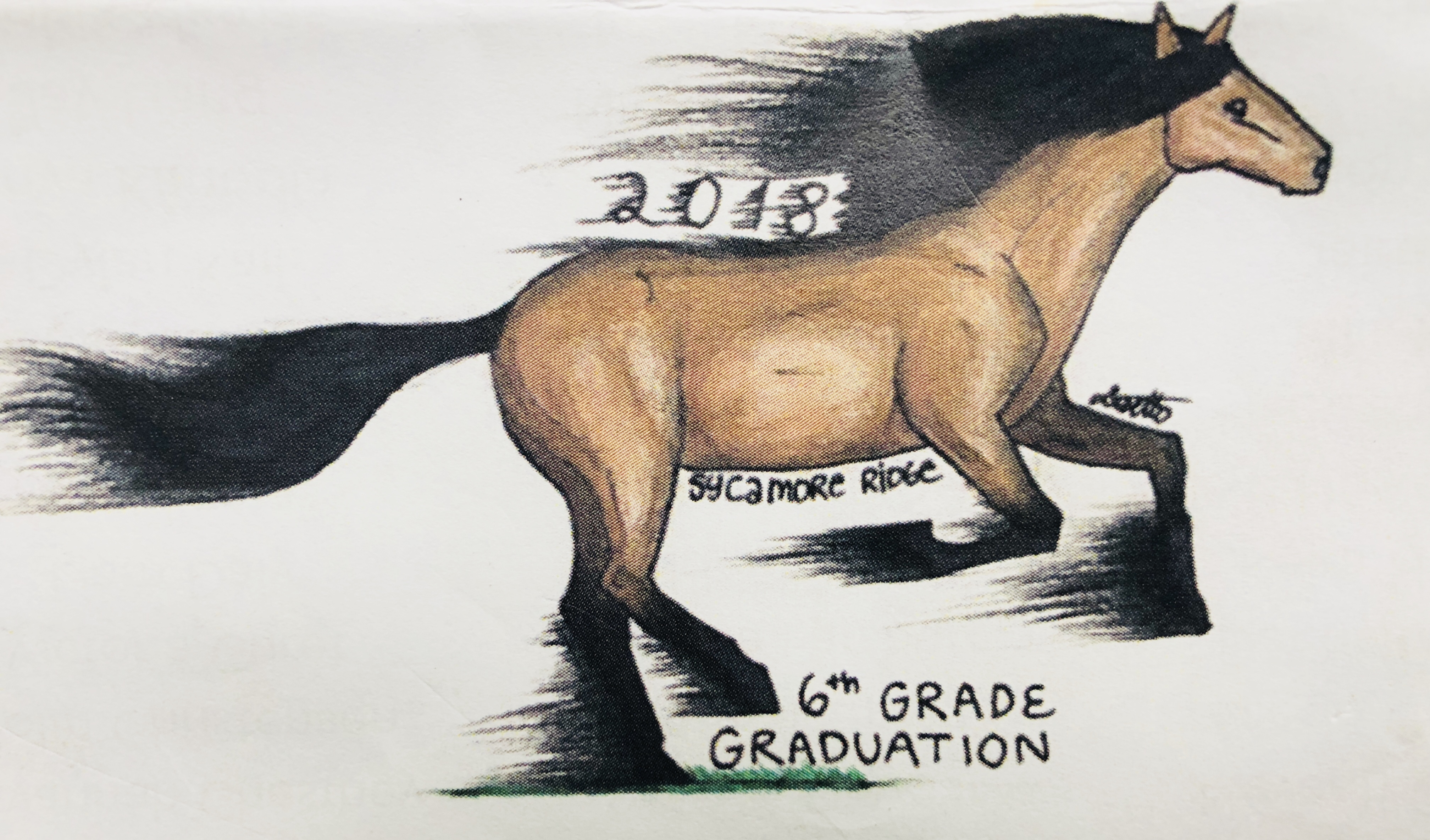
Today I was honored to give a speech at a 6th grade promotion ceremony.
I will admit, I was scared to give a speech. I mean, I give presentations all the time. I consider myself really good at it (like, really!). But a speech? I don’t do speeches. So I struggled for about a week to come up with something to say. Luckily, I was speaking at a school that had embraced design thinking this year. In fact, that was what I was asked to speak to… easy, right?
So after procrastinating for a week, I finally wrote it yesterday. I’ll admit to finding inspiration in the pages of Cad Monkeys by Warren Berger. (Thanks, Warren!) I decided to share it here, as I think there are a couple decent nuggets inside.
*****
Good morning everyone and welcome to today’s event. I’m honored to have been invited to speak on what I know is a very special day for both the students and families here today. My name is Dr. Laura Spencer. I am the Executive Director of Innovation and Design for the Del Mar Union School District. Basically, I have the coolest job in the district because my role is to work with your awesome teachers, as well as students like yourselves, to create opportunities that ignite the personal, inner genius of students and empower them to advance our world.
This year, as part of District Design 2022, 6th graders started using the principles of Design Thinking to find ways to make a difference in their classroom, on their campus, and in the world. Design Thinking is a human-centered approach to solving complex problems. It uses empathy and creativity to find innovative solutions.
In fact, this entire promotion ceremony is the result of a design thinking challenge to rethink how promotion can better meet the needs of the people here. Let’s give our students a hand for all their hard work organizing this special day…
To the 6th graders, I challenge you to think and act like a designer always. Designers must be able to see not just what is, but what might be. It’s about looking for opportunities to make positive change. To advance our world. And the best part is that you don’t have to wait for adulthood to get started. You can start making positive change today. Find opportunities throughout middle and high school. And don’t stop there. Keep using your inner genius to advance the world!
Think with empathy. Don’t presume to know what’s going on in someone else’s head. Get to know people. Understand them. Discover what makes them unique. Learn about their challenges. In doing so, you’ll also learn more about yourself.
When you practice empathy, you’ll find problems in need of solutions. We’ve got large problems and challenges in the world, but there are answers, too. They’re all around you. Don’t be afraid to look. It doesn’t matter how old you are.
Remember, your first idea is not always the best idea. Brainstorm! Wild and crazy ideas are sometimes the ones that take flight. Just think, when the adults here were kids, we were told to never get in a car with a stranger. Stranger danger was real. Now we use Uber or Lyft on our phone to ask strangers in cars to pick us up and bring us places. So never be afraid to chase after that crazy idea! (But hey, don’t get in cars with strangers!!)
And remember, prototypes are meant to be rough at first. You won’t always get things right the first time. In fact, you’ll probably get it wrong more often than you’ll get it right, so keep building and seeking out feedback. Doesn’t matter if it’s a crazy complex math problem or a video game you’re designing. Keep refining that prototype until you get it figured out. Ask for help.
Above all else, be human-centered in all you do.
So congratulations to the almost 7th graders, congratulations to the families, and finally, congrats to the teachers and everyone else who supported our students along their journey.
I’ll leave you with this final quote, from a great author with whom I imagine you are all familiar, by the name of Dr. Seuss.
“You have brains in your head. You have feet in your shoes. You can steer yourself in any direction you choose. You’re on your own. And you know what you know. You are the guy who’ll decide where to go.”
