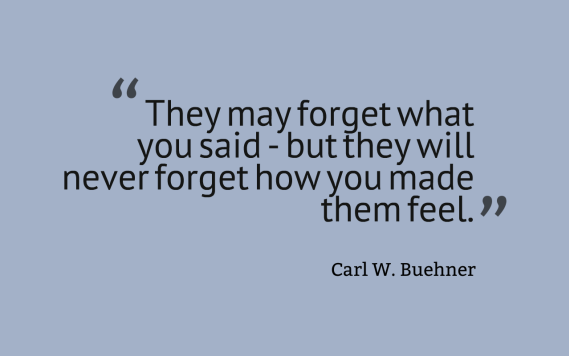
Leadership isn’t just about strategy and spreadsheets; it’s about people. It’s about understanding their emotions, motivations, and perspectives. It’s about building relationships, fostering trust, and creating a positive and supportive environment where everyone can thrive. This is where emotional intelligence (EQ) takes center stage.
My own journey with EQ has been one of self-discovery, filled with valuable lessons and the occasional face-palm moment. It’s a journey I’m still on, constantly learning and striving to improve.
The EQ Awakening: The “Hard Worker” vs. the “Efficient Leader”
I vividly remember a time when my lack of EQ created friction within my team. As a new supervisor, I was eager to streamline systems and boost efficiency. However, one of my managers, Mark, a long-time employee with a “hard worker” reputation, resisted my efforts. He thrived on being seen putting in long hours and going the extra mile. My approach, focused on working smarter, not harder, clashed with his values.
I’ll admit, I initially struggled to connect with Mark. I didn’t fully grasp the importance he placed on being seen as a hard worker. Our differing perspectives led to tension and misunderstandings. I was so fixated on logic and results that I overlooked the emotional needs of my team, particularly Mark’s.
It took time, numerous conversations, and a few missteps before I truly understood Mark’s perspective. I realized that his need to be “in the field” and actively involved in the work wasn’t just about showing off; it was a core part of how he felt valued and fulfilled.
While I still believed in efficiency, I learned to appreciate diverse working styles and motivations. I found ways to allow Mark to spend more time working directly with the team while still encouraging him to embrace more efficient processes. The relationship wasn’t perfect, but it became workable.
This experience was a crucial step in my EQ journey, teaching me the importance of empathy, understanding, and adapting my leadership style to meet the individual needs of my team members.
My EQ Strengths and Challenges:
My greatest strength as a leader is my empathy. I genuinely care about my team members and strive to understand their perspectives and emotions. However, this empathy can sometimes be a double-edged sword. While it allows me to connect with others on a deeper level, it can also be emotionally draining. I’m learning to manage this by setting boundaries and practicing self-care, but it’s an ongoing process.
AI-Powered EQ Enhancement: Practicing Empathy Through Simulated Conversations
AI can be a powerful tool for developing empathy and practicing challenging conversations. By engaging in mock conversations with an AI, you can explore different approaches, receive feedback on your communication style, and gain insights into how your words might impact others.
Here’s how you can use a large language model like Gemini to create a simulated conversation with an employee:
Step 1: Define the Scenario
Think of a specific situation where you need to have a potentially challenging conversation with an employee. This could be providing constructive feedback, addressing a conflict, discussing a sensitive personal issue, or delivering difficult news.
Step 2: Create a Persona for the Employee
Develop a brief persona for the employee you’ll be interacting with. Consider their role, personality traits, communication style, and potential emotional state.
Step 3: Craft a Prompt for the AI
Provide a clear prompt to the AI, outlining the scenario and the employee persona. Be specific about the employee’s characteristics and the context of the conversation.
Step 4: Engage in the Conversation
Start the conversation with the AI and see how it unfolds. Be mindful of your communication style, tone of voice, and word choice. Pay attention to the AI’s responses and try to understand the employee’s perspective.
Step 5: Experiment with Different Approaches
Try different approaches and communication styles throughout the conversation. See how the AI responds to different tactics. This will help you understand the potential impact of your words and actions.
Step 6: Reflect on the Experience
After the conversation, reflect on the experience. What did you learn about your communication style? How did the AI’s responses make you feel? What were the most and least effective approaches? How could you improve your communication in similar situations?
Benefits of AI-Powered Mock Conversations:
- Safe Space for Practice: Practice challenging conversations without real-world consequences.
- Experimentation and Feedback: Experiment with different approaches and receive immediate feedback.
- Increased Empathy: Gain a deeper understanding of the employee’s perspective.
- Improved Confidence: Build confidence in handling difficult conversations.
The Ongoing Quest for EQ Mastery:
Developing EQ is an ongoing journey, not a destination. It requires continuous self-reflection, a willingness to learn, and a commitment to growth. I’m embracing this journey with open arms, and I encourage you to do the same.
A Call to Action:
- What are your EQ strengths and challenges?
- How can you leverage AI to enhance your EQ and become a more effective leader?
- Share your thoughts and experiences in the comments below!