A few weeks ago, I completed a leadership self-assessment using a prompt shared by Piloteer.AI on LinkedIn. It asked me to reflect on my leadership style through the lens of their Chosen XIII™ framework—13 essential behaviors that define leadership impact.
I walked away from the exercise feeling affirmed. I identified as an “Empathetic Empowerer,” someone who leads with trust, open dialogue, and encouragement. I rated myself high across emotional intelligence, coaching, authenticity, and empowerment. So far, so good.
Then came the real test.
After sharing my results with Dan at Piloteer, he offered a simple but powerful suggestion: What if you asked your team to complete the same assessment of you?
It was one of those “why didn’t I think of that?” moments. Because self-awareness isn’t just about reflection, it’s about reality. And reality lives in the minds of those we lead.
The feedback was humbling in the best way. My team confirmed many of the strengths I see in myself, especially around adaptability, emotional intelligence, and coaching. But they also pointed out a few blind spots I hadn’t fully recognized. Some felt they didn’t have equal access to me. Others said I could clarify direction better during change. And yes, my bandwidth shows.
Reading their insights was a reminder that leadership isn’t about being perfect; it’s about being consistent, intentional, and open to growth.
What I love about this process is how simple it was to do, but how deep the impact has been. I didn’t need a retreat or a 360-degree survey platform. I just needed to ask.
So here’s my reflection for other leaders: If you think you know how your team experiences your leadership, great. But ask them anyway. The answers might surprise you. They’ll definitely make you better.
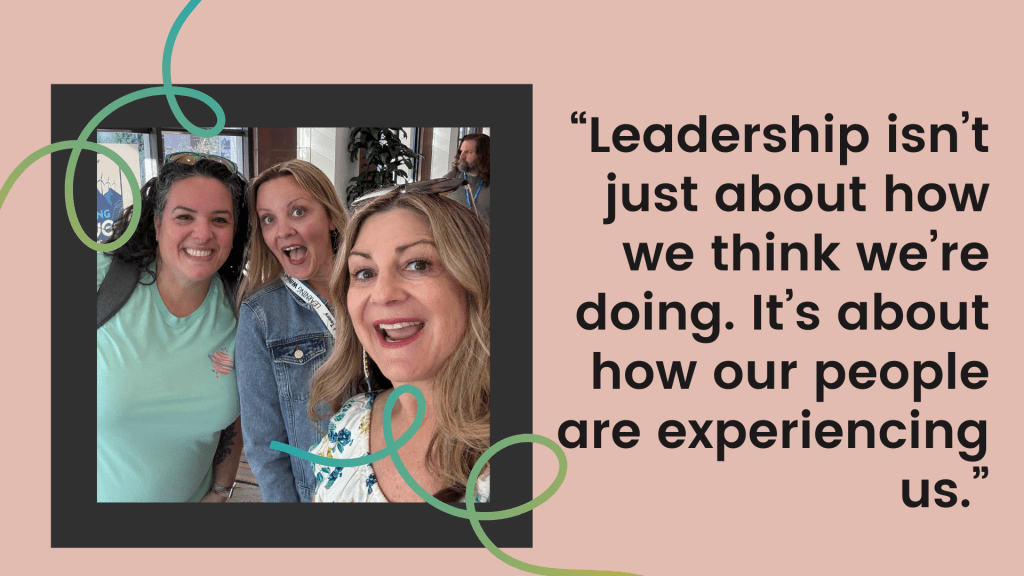
Leadership isn’t just about how we think we’re doing. It’s about how our people are experiencing us.
(And if you’re curious, yes, I’d be happy to share the ChatGPT prompts used or more info about Piloteer AI. Just message me.)

 Laura K Spencer, Ed.D.