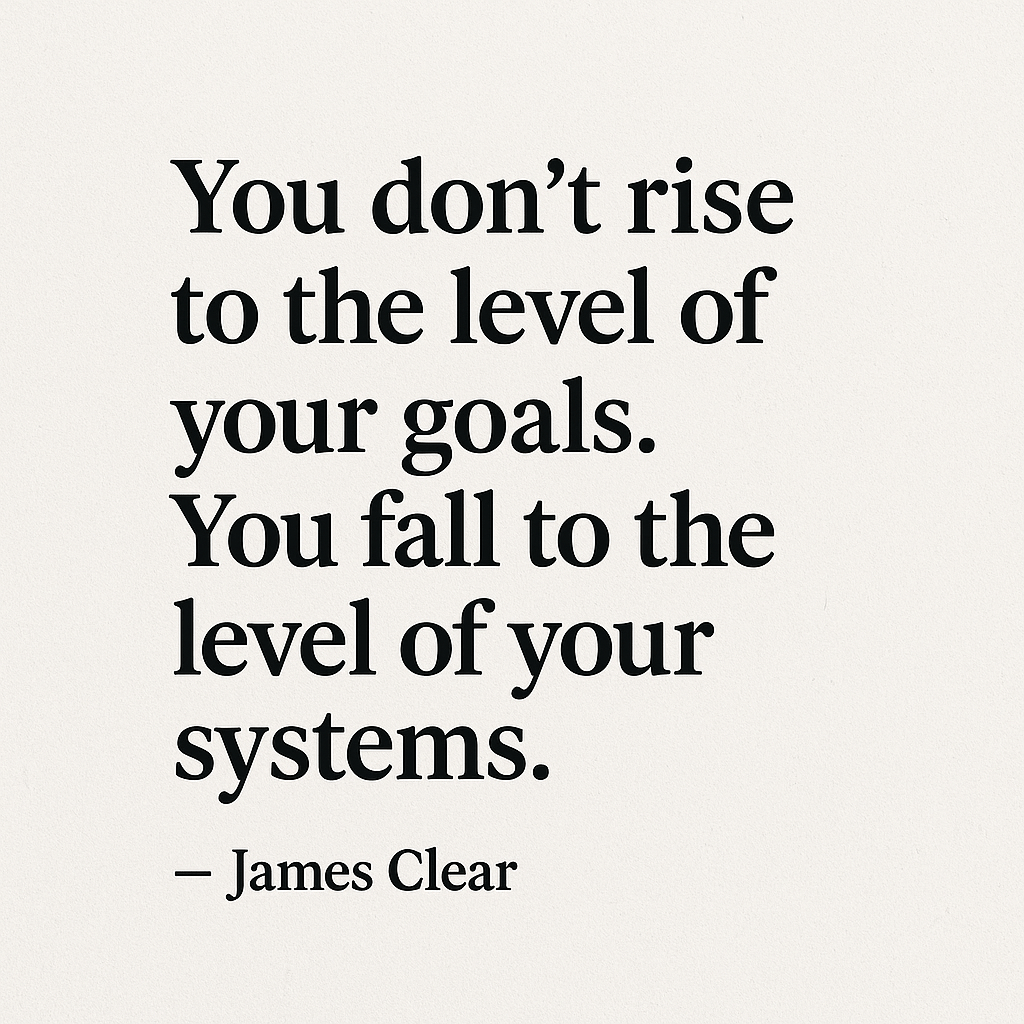
“You don’t rise to the level of your goals. You fall to the level of your systems.” —James Clear
I’ve seen the truth of this quote in every leadership role I’ve held.
When I interviewed for a previous role, I told the team, “I take pride in finding holes in systems, not because I’m negative, but because I don’t like watching things fail.” That mindset goes back to my time in the U.S. Army, where I served as a Psychological Operations Specialist. In that context, flawed systems don’t just slow you down. They put people at risk.
Since then, I’ve worked in many leadership roles where the stakes look different, but systems still make or break everything. And often, the most dangerous failure isn’t an obvious collapse. It’s ambiguity disguised as autonomy.
We love to talk about “defined autonomy” in leadership circles. It sounds great… like the perfect balance of freedom and structure. But too often, it’s undefined autonomy. No guardrails. No shared language. Just a vague sense that people can “figure it out” because we have faith in their abilities. (Guilty as charged!)
That’s not empowerment. That’s abdication.
If you want people to lead boldly, you have to give them more than permission. You have to give them clarity. That’s where systems come in.
Real defined autonomy looks like:
- Clear priorities and non-negotiables
- Decision-making frameworks that are visible and usable
- Guardrails that prevent overwork and mission drift
- Consistency that builds trust, not compliance
With systems in place, autonomy isn’t guesswork. It’s supported action. And when things inevitably get messy, it’s the system that absorbs the shock—not your people.
What would you add to that list?
What has “defined autonomy” looked like in your best leadership experiences, or what do you wish it looked like?
Thanks again to Dr. Katie Larsen of Bluum for putting this quote back on my radar. It’s helped me think about strategy, sustainability, and what it really means to lead well.

 Laura K Spencer, Ed.D.